Best Gated Communities in Panvel for Families
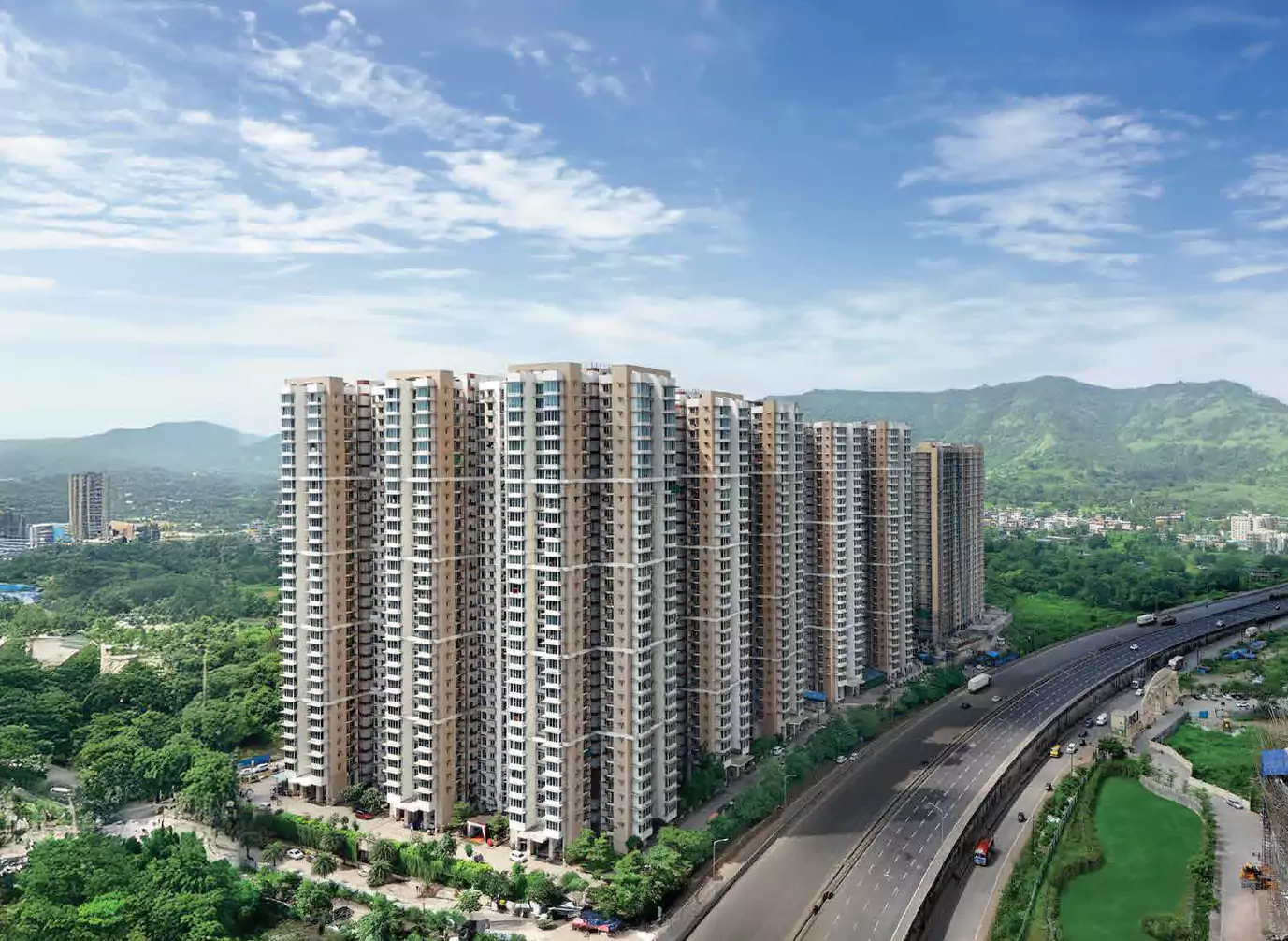
Panvel is where Navi Mumbai's township format actually works, because the node has the land for it and the airport corridor gave developers a reason to commit. If you want a large gated community with real internal infrastructure rather than a single tower calling itself one, this is the node with the deepest supply — and the widest quality range, which is why the shortlist matters.
What makes a genuine gated community rather than a marketing label?
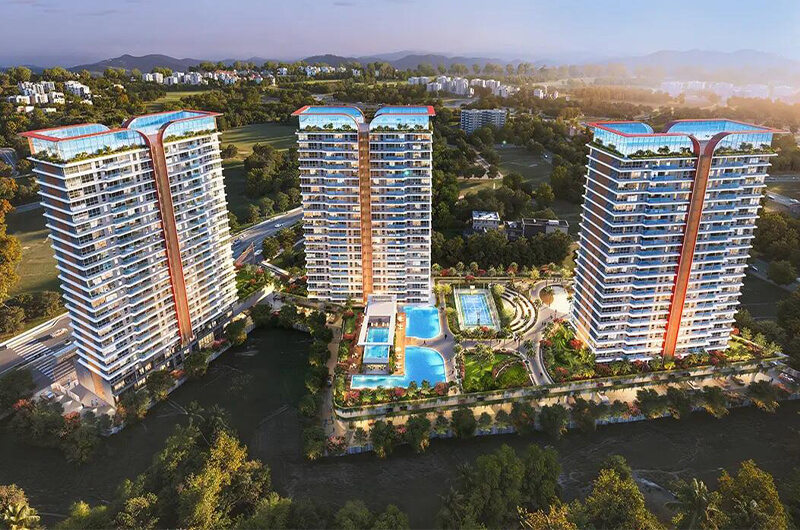
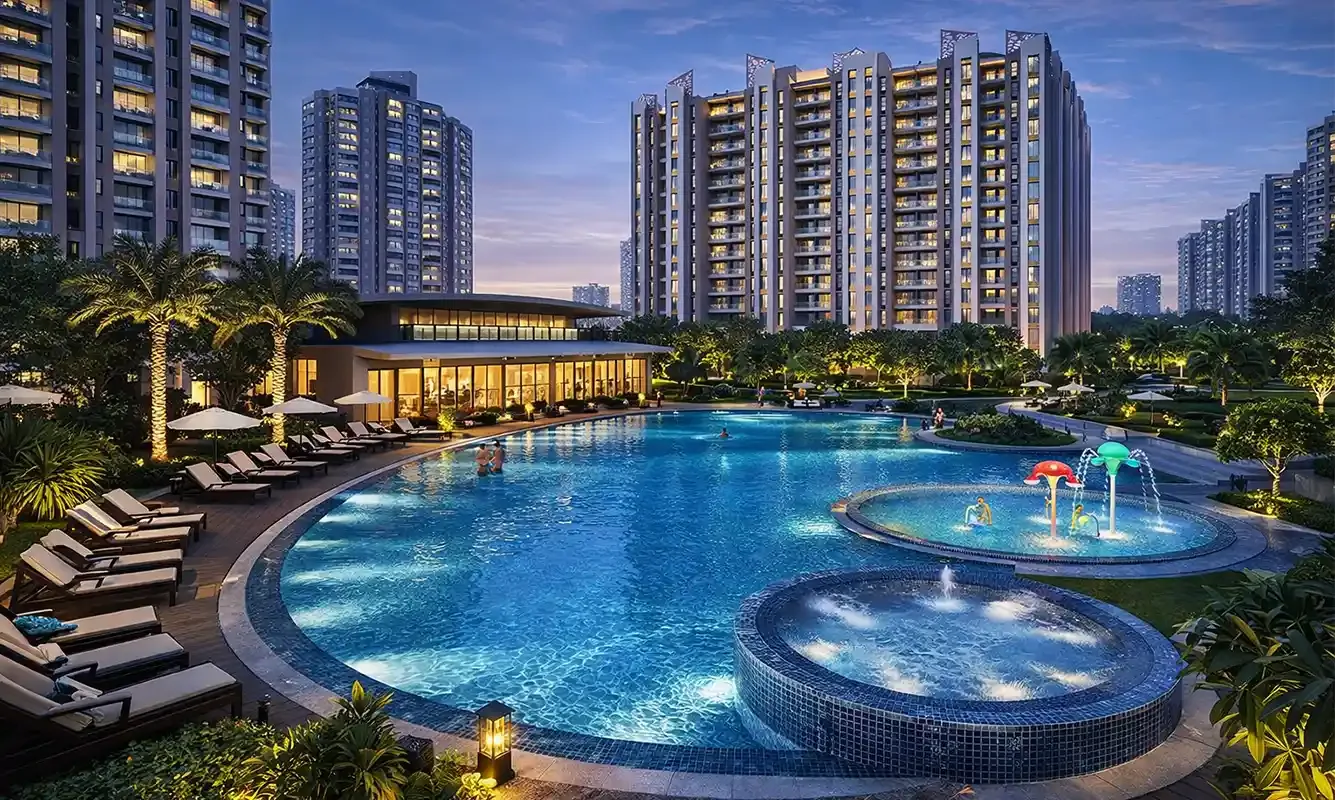
Scale and self-sufficiency. A real township has multiple towers under a coordinated plan, meaningful internal open space, amenity infrastructure that residents actually use, and often some retail and community facilities inside its boundary.
A single tower with a compound wall and a gym is a building with a gate. The difference matters because the whole point of buying into a township in a developing node is that the internal environment compensates for what the surrounding area does not yet have.
The test is simple: if the surrounding area stayed exactly as it is today for the next eight years, would this development still be a good place to live? In a genuine township the answer is yes.
Which Panvel townships are worth shortlisting?
The largest and most established projects in the node, spanning a wide price range from just under a crore to well past three.
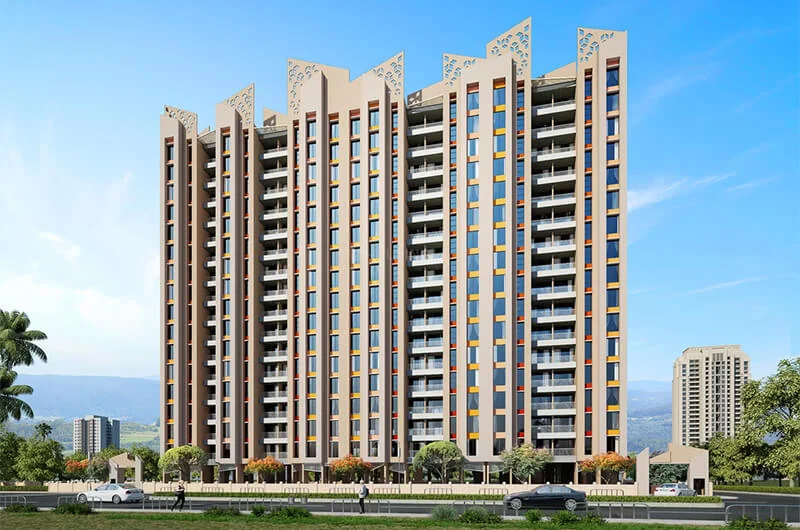
Sai World City at Rs. 95 L - 5.65 Cr and Hiranandani Fortune City at Rs. 1.31 Cr - 3.58 Cr are the largest established township propositions. L&T Crestoria Estate at Rs. 1.25 Cr - 2.68 Cr and Godrej Green Terraces at Rs. 1.09 Cr - 2.40 Cr bring institutional developers into the same belt.
Marathon Nirvana Collection at Rs. 99 L - 1.65 Cr and Maximus City at Rs. 51 L - 2 Cr sit slightly below on ticket size — see the Marathon Nirvana review and the Maximus City review.
What should families actually check in a township?
The things you will live with daily and the things that are hard to change later: phasing, maintenance cost, school access and what is committed in writing.
- Get the full phasing plan — what will still be a construction site around you at possession.
- Ask for projected maintenance charges per square foot, not just the deposit figure.
- Establish which amenities are committed in the registered agreement rather than shown in marketing.
- Check school and healthcare access outside the township, since internal facilities rarely cover everything.
- Confirm MahaRERA registration for your specific phase and tower — see the RERA guide.
- Visit a completed project by the same developer before trusting a rendering.
Are Panvel townships better value than Kharghar apartments?
On space and amenity, generally yes. On daily convenience and established social infrastructure, generally no. Which matters more depends on your household and how much of your life happens within walking distance.
Panvel gives you more carpet, more internal facilities and a larger community for the same money. Kharghar gives you Central Park, a mature schooling belt, metro relevance and shorter distances to everything.
Households with young children and a car often prefer Panvel; households who value walkability and established schooling often prefer Kharghar. The Kharghar versus Panvel for families guide works through that decision properly.
What is the honest downside of township living in Panvel?
Dependence — on one developer's execution, on internal facilities being maintained properly for decades, and on later phases arriving as promised rather than being redesigned or delayed.
There is also the cost that recurs forever. Large amenity infrastructure is expensive to run, and that expense lands on residents monthly for as long as they own the flat. A household that uses very little of it is subsidising one that uses a lot.
If you want space without paying for facilities you will not use, a plainer project in the same node will give you more carpet per rupee. Browse the full Panvel shelf and compare on all-in cost per square foot of carpet.