Best Luxury Projects in Navi Mumbai for NRIs
Buying from eight thousand kilometres away changes what a good project looks like. Things you would ordinarily weigh — a slightly better rate, an extra hundred square feet — matter less, and things you might otherwise treat as soft, like developer reputation and how easily you could sell in a hurry, matter a great deal more. That reframing should drive the shortlist, not the brochure.
What should an NRI prioritise differently in a luxury project?
Developer credibility, resale liquidity and manageability from a distance — in that order, ahead of price and even ahead of specification.
The reasoning is practical. You cannot supervise construction, chase a builder, or manage a slow resale from abroad with the same effectiveness as someone in the city, so you want a counterparty and an asset that require less of that.
That generally points to established developers, mature nodes and configurations with a broad buyer pool — even when a less-known project offers more carpet for the money.
Which Navi Mumbai projects fit that brief?
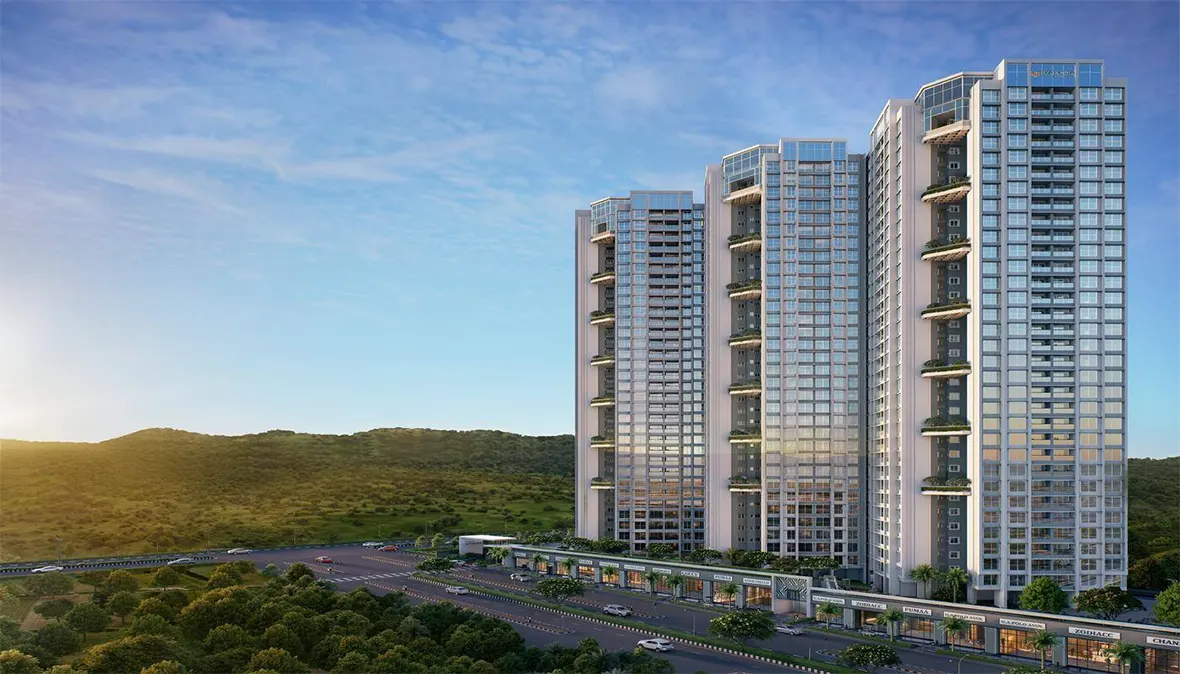
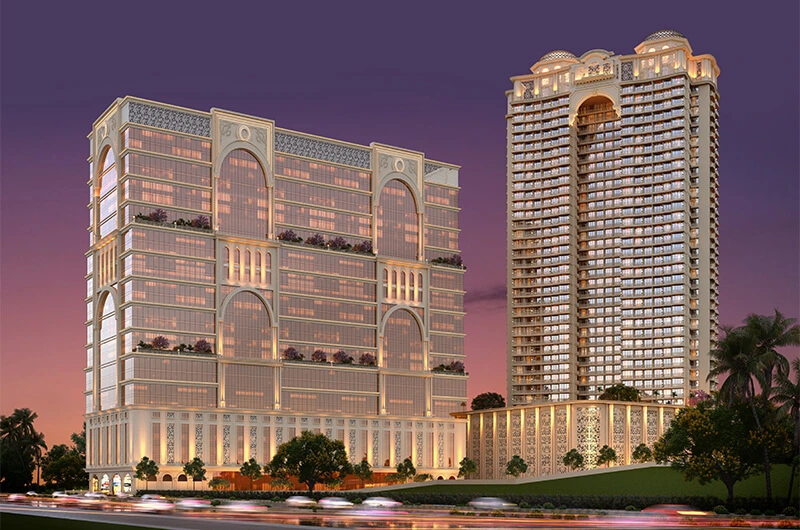
The branded, larger-format inventory in the established nodes, spread across Kharghar, Nerul and Juinagar.
In Kharghar: Godrej Varanya at Rs. 2.14 Cr - 4.18 Cr, Sai World Empire at Rs. 1.75 Cr - 9.15 Cr, Shreeji Divine at Rs. 1.89 Cr - 4.28 Cr and Nova 10 from Rs. 1.99 Cr.
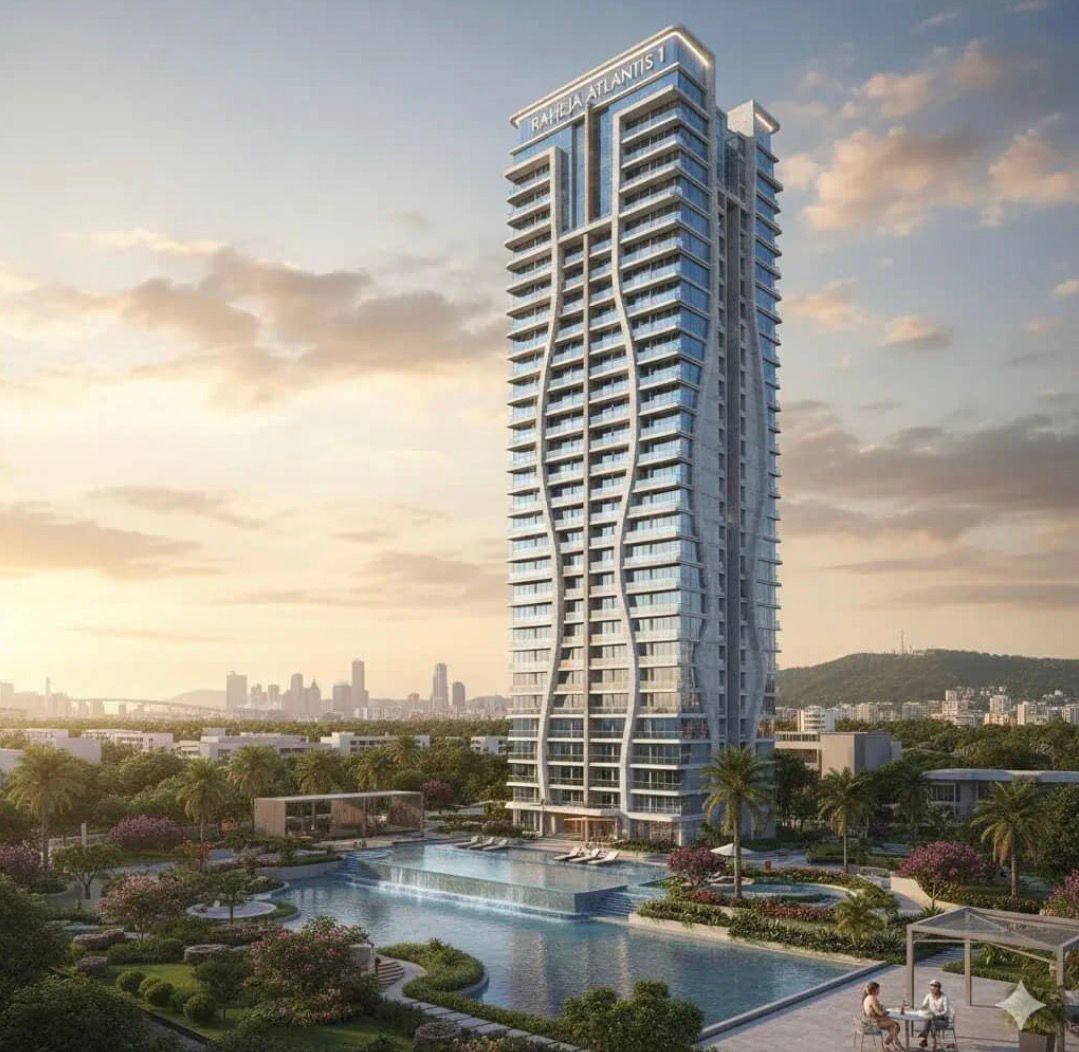
In Nerul and Juinagar: Today Nova Vista from Rs. 2.24 Cr, Platinum Oakwoods at Rs. 2.35 Cr - 7.26 Cr, Raheja Atlantis 1 at Rs. 5.49 Cr - 8.17 Cr and Raheja Jade City at Rs. 1.03 Cr - 2.75 Cr.
Which node suits an NRI investor best?
Nerul for liquidity and rental depth, Kharghar for a balance of growth and livability, Juinagar for value against Nerul's pricing.
- Nerul: the deepest resale and rental market in Navi Mumbai, which matters most if you may need to exit or let quickly.
- Kharghar: strong end-use demand, established schooling and Central Park, with a growth story still running — see the best residential projects guide.
- Juinagar: harbour-line connectivity at below-Nerul pricing — see the Juinagar versus Nerul comparison.
- Panvel: more space per rupee and township quality, but thinner liquidity at the top of the market.
- Avoid the outer belts for a remote purchase; thin markets are hardest to manage from abroad.
What should you verify before buying remotely?
Everything a local buyer would, plus the things that only become problems when you are not there to fix them.
- MahaRERA registration for the specific tower, and the registered completion date — see the RERA guide.
- The developer's actual delivery record on completed projects, not their marketing history.
- The all-in cost in writing, including every charge — see the hidden costs guide.
- How payments will be made from abroad, confirmed with your authorised dealer bank in advance.
- Whether a power of attorney is needed and how it must be executed — see the power of attorney guide.
- That your purchase is permitted under FEMA, which restricts certain property types for non-residents.
Should an NRI buy for investment or for eventual use?
Be honest about which, because the two lead to genuinely different purchases and trying to serve both usually serves neither well.
An investment purchase should optimise for liquidity, rental demand and ease of management — which favours Nerul and Juinagar, and favours widely-wanted configurations over unusual ones. A future-use purchase can weight space, node character and the neighbourhood you would actually want to live in.
If you are undecided, buy the liquid option: it is easier to sell a liquid asset and buy the home you want later than to unwind an illiquid one. Basaao can put together a shortlist against either brief, and the luxury homes guide covers the top of the market across all the nodes.