Rohinjan Real Estate: Navi Mumbai's Next Node?
Rohinjan gets described as the next growth node often enough that it is worth asking what that phrase is actually claiming. It sits on the NH-48 side of the Upper Kharghar belt, it is where a lot of the belt's new supply is concentrated, and it is genuinely cheaper than Kharghar. Whether that adds up to an opportunity depends almost entirely on your timeline.
Where is Rohinjan and what is actually there?
Rohinjan sits within the Upper Kharghar belt on the NH-48 side, close to the Reliance petrol pump landmark that several projects use as their reference point. Its defining feature today is highway access rather than neighbourhood depth.
What exists is a growing cluster of residential projects, improving road links towards Kharghar proper, and the early stages of everyday retail. What does not yet exist, in any depth, is the schooling, healthcare and walkable convenience that make a node feel finished.
That is a fair description rather than a criticism. Rohinjan is at an earlier stage of the same process Kharghar went through, and pricing reflects it.
Why is Rohinjan cheaper than Kharghar?
Because you are buying the location before the infrastructure, and the market prices that gap correctly. Entry inventory here sits well below comparable Kharghar stock for exactly this reason.
The discount is your compensation for waiting and for accepting uncertainty about how long the wait will be. Whether it is adequate compensation depends on how quickly the belt actually develops — which nobody can tell you with confidence.
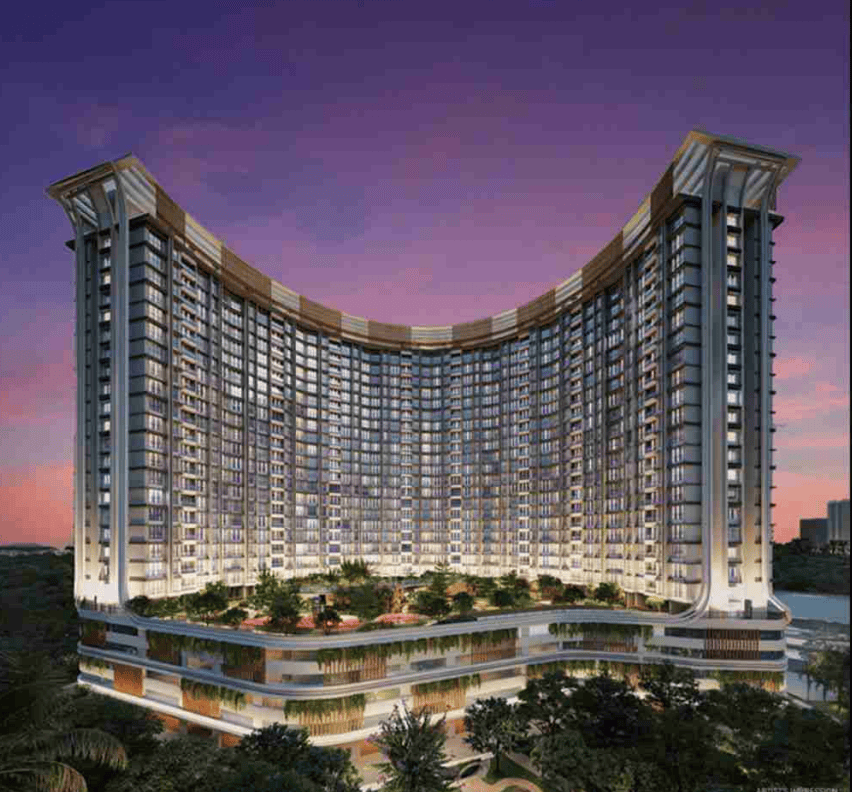
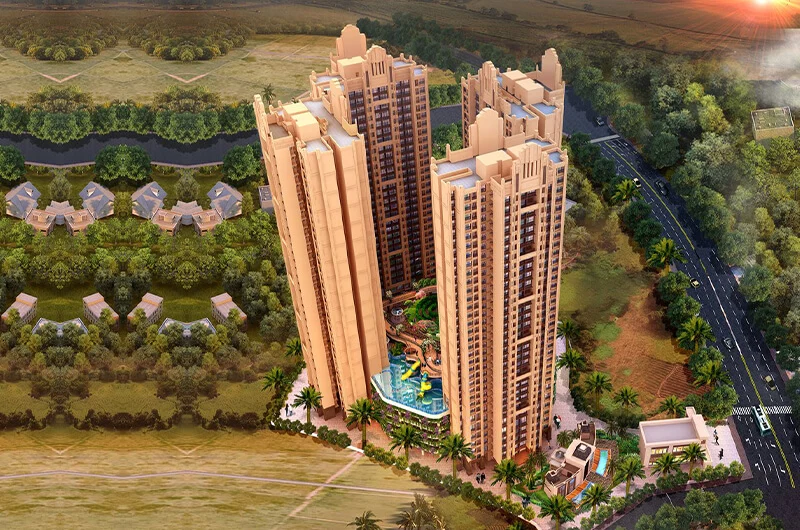
Projects here include Dream Meadows at Rs. 49.66 L - 74 L, Laxmi Icon at Rs. 39.9 L - 96 L and Elara at Codename Cloud City at Rs. 2 Cr for larger formats.
Who should actually buy in Rohinjan?
Long-horizon buyers who want maximum carpet for their budget, are comfortable driving for most daily needs, and are not depending on resale within the next several years.
- First-time buyers who need the entry number low and can live with a developing area.
- Households with a car, since daily life here currently assumes one.
- Investors with a genuinely long hold and no reliance on rental income to service the EMI.
- Buyers who want township-scale amenities and larger layouts at below-Kharghar pricing.
- It is a poor fit for anyone needing established schools now, or likely to sell within a few years — see the Upper Kharghar versus Kharghar comparison.
What are the honest risks of buying in Rohinjan?
Timeline risk above all: the belt could take considerably longer to mature than current enthusiasm assumes, and there is no mechanism forcing it to happen on your schedule.
Liquidity is the second. A thin resale market means selling takes longer and gives the buyer more negotiating power than you would like. That is manageable if you plan to hold, and painful if circumstances force a sale.
The third is project-level: several projects in this belt still show MahaRERA registration as pending or under verification, so due diligence here matters more than in an established node. The RERA guide covers the checks.
How does Rohinjan compare with Taloja as an entry option?
They compete directly for the same buyer, and the choice usually comes down to whether you value the Kharghar-belt association or the metro access more.
Taloja has Metro Line 1 stations and a more developed value-housing cluster, which gives it a transit advantage and slightly deeper everyday retail. Rohinjan has closer road access to Kharghar proper and the association that comes with it.
Run both properly rather than choosing on instinct: the Taloja versus Upper Kharghar comparison sets out the trade-off, and both Upper Kharghar and Taloja inventory are worth browsing side by side.