Kharghar Metro Impact on Sector 34 and Sector 35
Metro Line 1 did something specific to Kharghar that gets flattened in most coverage: it did not lift the whole node evenly. It changed the relative standing of a particular corridor — the Sector 34A and 35 belt — from outer, newer stock into something with a genuine daily-use advantage. Whether that shift is still available to buy into, or already fully priced, is the question worth answering.
What changed for Sector 34A and 35 after the metro?
These sectors moved from being the newer, less-established side of Kharghar to being the side with the best internal transit access. That is a meaningful change in a large node where getting around used to depend entirely on road traffic.
The effect compounded because infrastructure arrived together rather than in isolation. Healthcare, everyday retail and new residential supply built up along the same corridor over a similar period, so the area improved as a place to live rather than only as a place to catch a train.
The result is that a buyer choosing this corridor today is no longer choosing between 'established Kharghar' and 'cheap Kharghar'. They are choosing between two genuinely different but comparable propositions.
How much does metro access actually matter day to day?
It matters most for internal Navi Mumbai movement and least for a Mumbai commute, which is the opposite of what many buyers assume when they hear the word metro.
For someone working within Navi Mumbai, studying locally or moving between nodes regularly, a nearby station changes the daily routine in a way that is easy to feel. For someone commuting into Mumbai every day, the harbour line and road connectivity still do most of the work.
Be specific about your own pattern before paying for station proximity. The Metro Line 1 price impact guide and the best localities near Metro Line 1 guide cover the wider picture across nodes.
Is the Sector 34A and 35 pricing justified now?
Broadly yes for buyers who will use the metro, and less so for those buying purely on the narrative. Pricing in this corridor has moved ahead of the older outer sectors, which is a rational repricing rather than a bubble — but it does mean the discount that once existed has largely gone.
What you get for it is a newer building stock, improving surroundings and transit access. What you give up relative to the central sectors is neighbourhood maturity and, often, carpet size at a given budget.
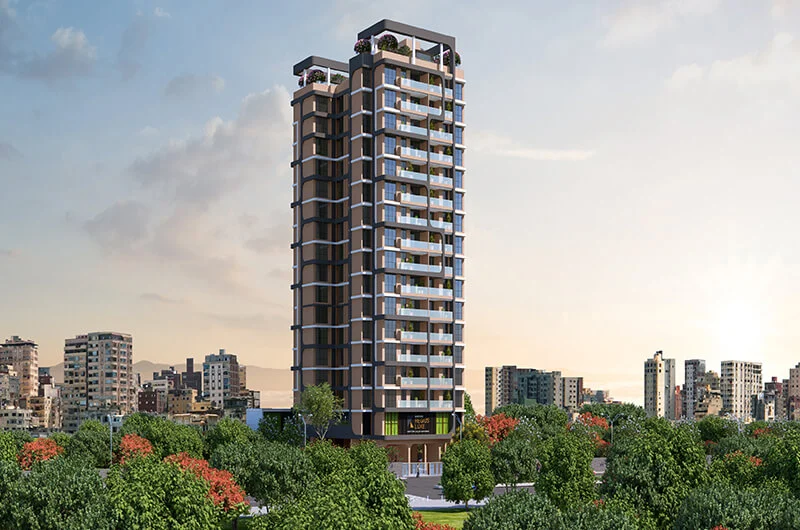
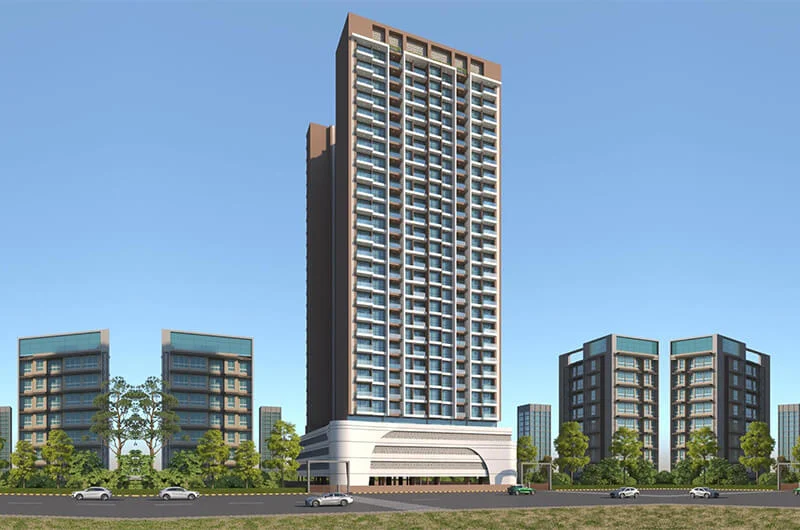
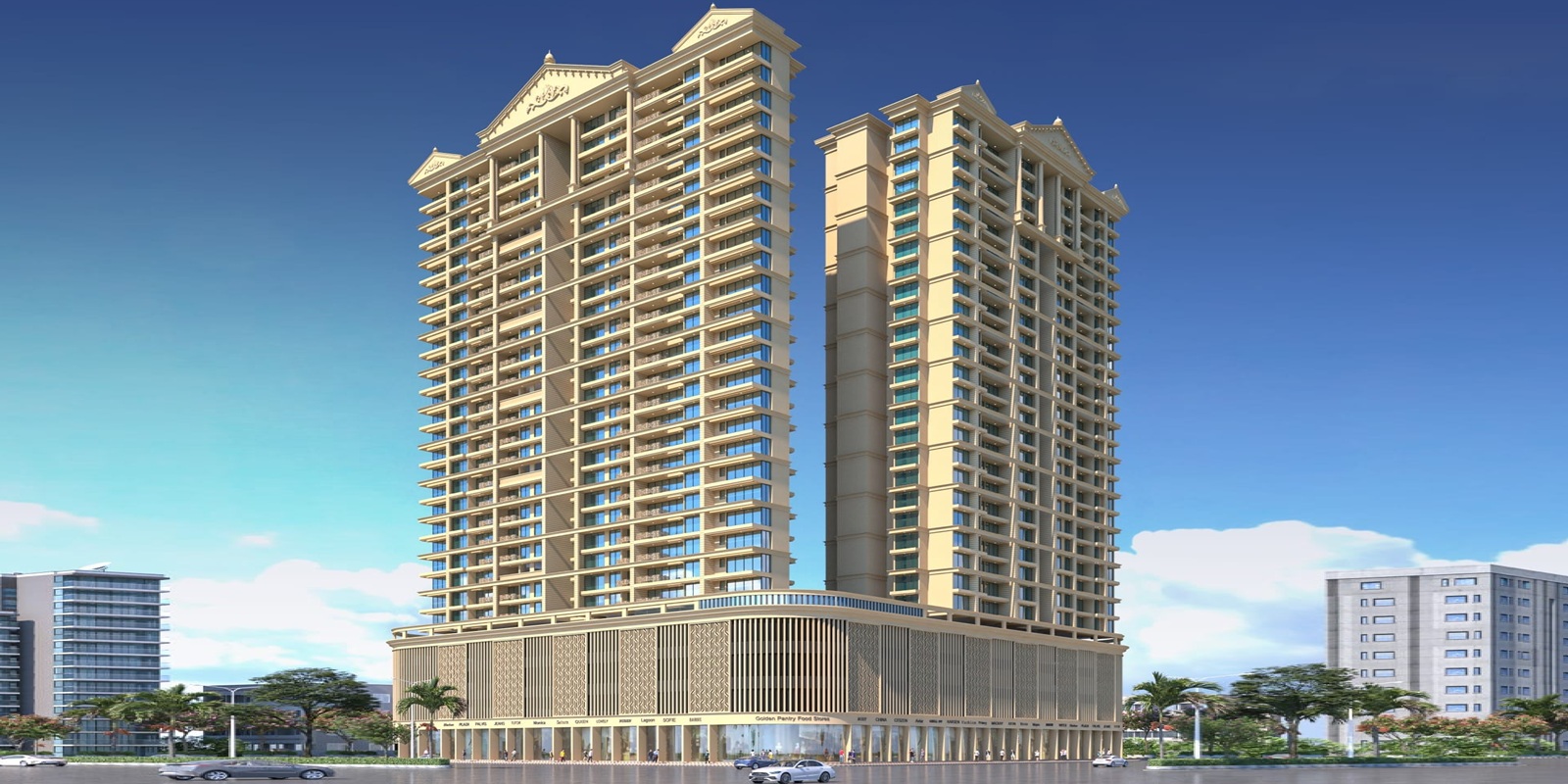
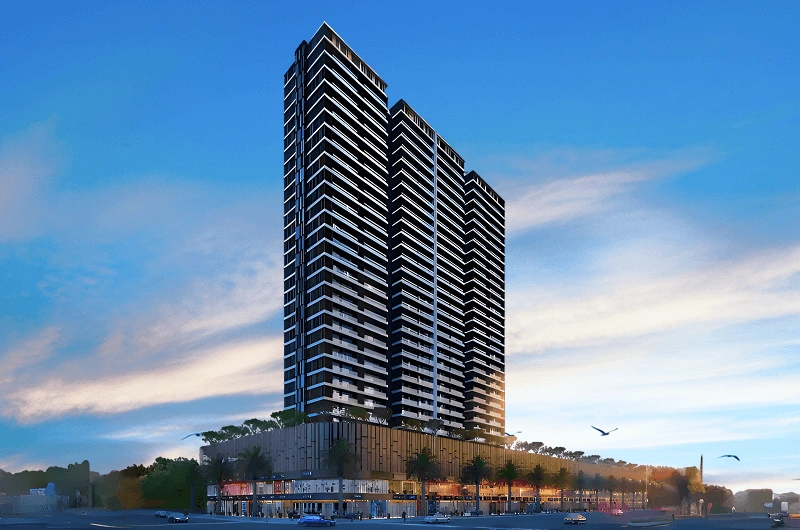
Current inventory in the corridor spans a wide range: Mass Insignia at Rs. 95 L - 1.49 Cr, Millennium Celesta at Rs. 1.04 Cr - 1.68 Cr, Giriraj Sapphire in Sector 35-E at Rs. 69 L - 1.80 Cr, and Neelkanth Darshan at Rs. 1.26 Cr - 2.03 Cr.
Which buyers should prefer this corridor over central Kharghar?
Buyers who value newer stock and transit access over an older, more settled neighbourhood — and buyers whose budget does not reach the central sectors at the configuration they need.
- You work or study within Navi Mumbai and would genuinely use the metro several times a week.
- You want newer construction and are comfortable with surroundings that are still filling in.
- You are buying a 2 or 3 BHK where the central sectors would only get you a smaller flat.
- You are investing for rental demand from tenants who prioritise transit access.
- Browse the flats near Kharghar metro shelf and compare against the best sectors guide before deciding.
What should you verify about a project's metro claim?
The distance, on foot, at a realistic hour — and nothing else will substitute for that. Station proximity is one of the most loosely claimed features in the market.
Also check the route itself, not just the distance. A ten-minute walk along a lit footpath is a different proposition from a ten-minute walk along a highway shoulder, particularly if anyone in your household will do it after dark.
Then confirm the ordinary things: MahaRERA registration for your specific tower, carpet area in the agreement, and all-in cost. The step-by-step buying guide sets out the full sequence.